Am I doing this out of religion?
New Title
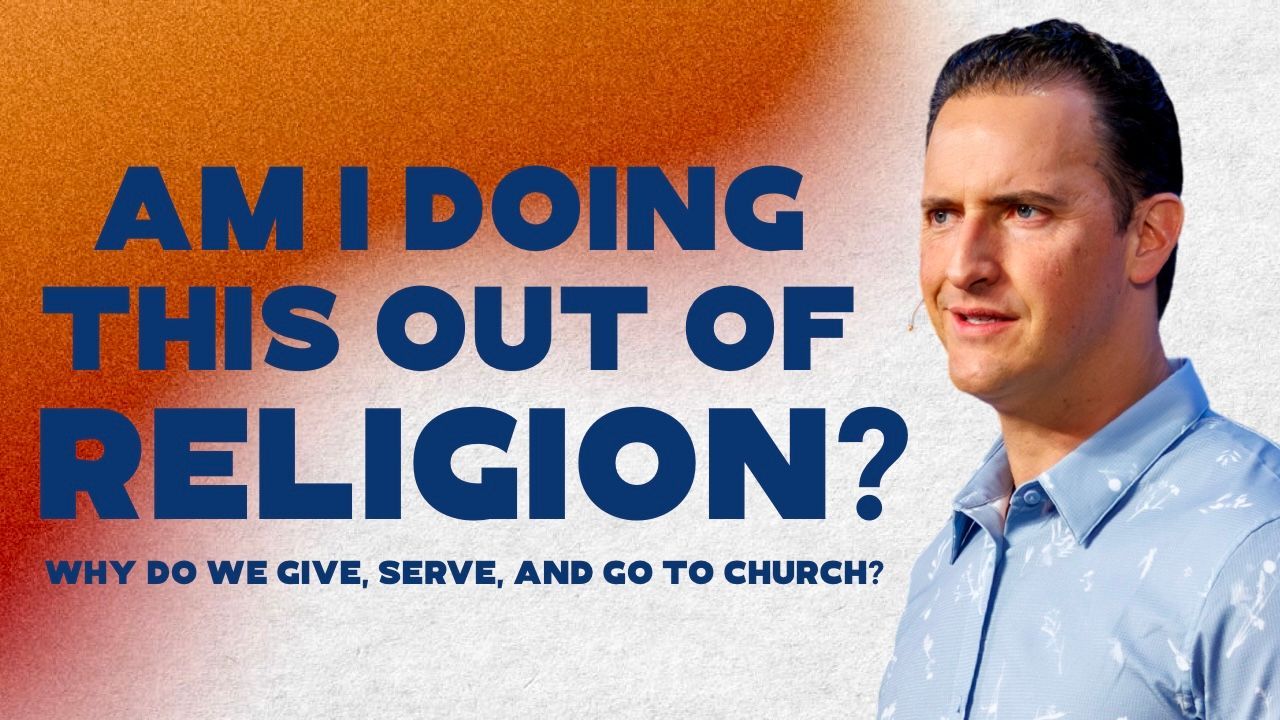
Checking the Motives of Our Heart
Pastor Ben Diaz
Pastor Ben continued the Religion vs. Relationship series with a powerful question: Is what I’m doing coming from a religious motive…or from my relationship with Jesus?
He began by reminding us that in the Old Testament, God told the Israelites to drive out the inhabitants of the land—not to live among them—because their influence would eventually turn their hearts away from Him. That physical picture in the Old Testament becomes a spiritual picture for us in the New Covenant. Today, instead of driving out physical enemies, we’re called to deal with the internal issues of the heart—anything that keeps us from becoming more like Jesus. Don’t be conformed to the world, but be transformed by the renewing of your mind.
We live among unbelievers, but we are not the same. We’ve been born again, our citizenship is in heaven, and our trust is in God.
Colossians 4:5 — “Live wisely among those who are not believers, and make the most of every opportunity.”
Pastor reminded us to look for opportunities to share the goodness of God—not always with words, but often through simple acts of love. He shared a story about a friend who deep-dives for lobsters at night and brings fresh lobsters to his neighbors. Because of that kindness, people are open to hearing the gospel. Think about the simple things you can do to make the most of every opportunity with your neighbors.
Pastor then listed several spiritual disciplines: attending church, worship, prayer, giving, fasting, reading the Word, and evangelism. All of these are good—but the motive matters. If we do them out of obligation, fear, or a belief that we need to “earn” God’s approval or blessings, then we are operating out of religion. This leads to bondage and fear—always wondering, “Have I done enough for God to bless me?”
But freedom in Christ allows us to do those very same things out of love, gratitude, and relationship. It’s the same works—but a completely different heart posture. What’s done out of necessity becomes dead works. What’s done out of love produces life and allows God to move supernaturally in us.
He challenged us to examine our hearts:
- Why do I attend church? For approval—or because I value the family of God and know that I need to be planted and fed?
- Why do I give? Out of duty—or because I trust that God is my provider and giving is an act of worship?
- Why do I serve? To be seen—or because I genuinely want to bless God’s family?
Pastor said, “The motivation of the heart determines the quality of your seed.” As you sow, you will reap.
He also encouraged us in prayer—especially for healing or interceding for unbelievers. Prayer should never be begging God. He hears us. He loves us. And He desires to answer. We are encouraged not to grow weary in praying for those who don’t yet know Jesus.
Colossians 4:12 — “He always prays earnestly for you, asking God to make you strong and perfect, fully confident that you are following the whole will of God.”
In closing, Pastor Ben challenged us to take inventory of our hearts:
Am I doing what I do out of religious obligation and fear—or out of gratitude, faith, and relationship with my Heavenly Father?
To hear the full message, CLICK HERE.