How do we Keep Judgment out of our Hearts

New Title
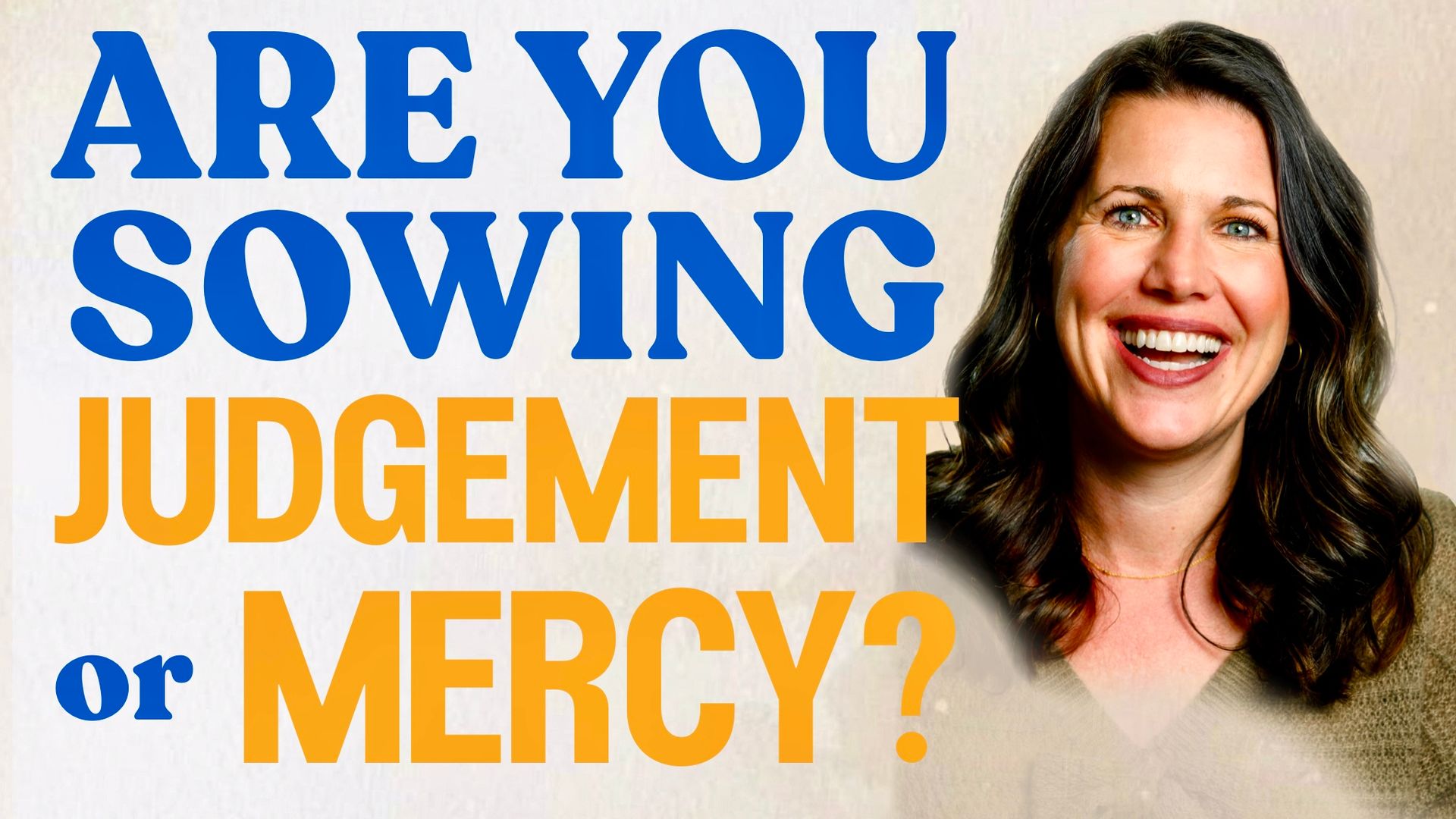
How Do We Keep Judgement Out of Our Hearts?

Pastor Kara Diaz
 

“Do not judge others, and you will not be judged. For you will be treated as you treat others. The standard you use in judging is the standard by which you will be judged.”
— Matthew 7:1-2


If you’ve received Jesus Christ as your Savior and LORD, then you’ve been rescued from the kingdom of darkness and brought into the Kingdom of Light. The next step? “Seek first the Kingdom of God.” That doesn’t just mean loving God—it means learning to do things His way, living by His principles.


In this message, Pastor Kara focused on one of those principles: sowing and reaping, especially in the area of judgment vs. mercy.


Jesus took the full weight of God’s judgment on Himself. He didn’t come to condemn us—so we’re not to judge others either. We’re called to sow mercy, because what we sow is multiplied back to us.


“There will be no mercy for those who have not shown mercy to others. But if you have been merciful, God will be merciful when He judges you.”— James 2:13 (NLT)


Pastor Kara taught us that judgment is the story we create about what we observe. For example, if someone cuts you off in traffic—that’s an observation. The judgment is the story you make up about why they did it. That story brings unnecessary pain. That’s why God tells us to guard our hearts.


Judgment keeps us from dealing with our own stuff. It holds us in sin. But mercy is the way out.

Pastor Kara gave a strong warning about the most dangerous kind of judgment: self-judgment. The enemy wants you to believe Jesus’ blood wasn’t enough. She said, “If Jesus forgives you, but you won’t forgive yourself, then you’re judging that you are superior to God!”


To forgive others, we must first believe that we are fully forgiven.

“Who is a God like You, who pardons wrongdoing and passes over rebellious acts? He does not retain His anger forever, because He delights in mercy.”— Micah 7:18


God delights in showing mercy—and as Kingdom citizens, we are called to be carriers of mercy to others.

Pastor Kara encouraged us to ask the Holy Spirit: “Help me get into their shoes and see their heart.” When we do that—and guard our hearts—we begin to see people the way God sees them. That’s when we start living out the Kingdom principle of mercy.


To hear the full message and learn the practical tools Pastor Kara shared to overcome a judging heart, CLICK HERE.

By Benjamin Diaz August 18, 2026
Este domingo en Vida fuimos desafiados con una pregunta sencilla pero poderosa: ¿Somos simplemente cristianos que conocen la Palabra, o realmente estamos participando en lo que creemos?
By Benjamin Diaz August 18, 2026
This Sunday at Vida, we were challenged with a simple but powerful question: Are we merely Christians who know the Word, or are we actually participating in what we believe?
By Benjamin Diaz August 10, 2026
Podemos pasar tanto tiempo buscando lo extraordinario que terminamos perdiéndonos lo sagrado de lo cotidiano. Esperamos la próxima temporada. El gran cambio. La oportunidad. Que una relación mejore. Que las circunstancias cambien. Imaginamos que cuando algo finalmente suceda, entonces comenzará nuestra verdadera vida. Pero Dios no es solamente el Dios de hacia dónde vamos. Él es el Dios del aquí y del ahora.
By Benjamin Diaz August 10, 2026
We can spend so much of our lives looking for the extraordinary that we miss the sacredness of the ordinary. We wait for the next season. The breakthrough. The opportunity. The relationship to change. The circumstances to improve. We imagine that when something finally shifts, then our real life will begin. But God is not only the God of where we're going. He is the God of right here and right now.
By Benjamin Diaz August 10, 2026
Estamos viviendo lo que muchos han llamado una epidemia de soledad. Aunque tecnológicamente estamos más conectados que nunca, muchas personas todavía carecen de amistades profundas y significativas. Como Iglesia, una de nuestras características más distintivas debería ser nuestra capacidad de amarnos unos a otros. Jesús dijo que el mundo reconocería a Sus discípulos por la manera en que se aman.
By Benjamin Diaz August 10, 2026
We are living in what many have called an epidemic of loneliness. Although we are more connected technologically than ever before, many people still lack deep, meaningful friendships. As the Church, one of our greatest distinguishing marks should be our ability to love one another. Jesus said the world would recognize His disciples by the way they love.
By Benjamin Diaz July 27, 2026
Las relaciones saludables no suceden por casualidad. Se construyen de manera intencional cuando permitimos que Dios transforme la forma en que amamos, animamos y caminamos junto a los demás. Esta semana, el Pastor Ben continuó la serie Relaciones del Reino enseñándonos sobre dos pilares esenciales: la visión y la fe.
By Benjamin Diaz July 27, 2026
Healthy relationships don't happen by accident. They are built intentionally as we allow God to shape the way we love, encourage, and walk with one another. This week, Pastor Ben continued our Kingdom Relationships series by focusing on two foundational pillars: vision and faith.
By Benjamin Diaz July 21, 2026
No todas las relaciones en nuestra vida tienen el mismo propósito. Algunas son pasajeras, otras son circunstanciales, y unas pocas son relaciones del Reino en las que vale la pena invertir intencionalmente. Este domingo, el Pastor Ben nos recordó que las relaciones saludables no ocurren por casualidad; se å sobre tres pilares: dominio propio, responsabilidad y verdad.
By Benjamin Diaz July 21, 2026
Every relationship in our lives isn't meant to carry the same weight. Some are casual, others are seasonal, and a few become deep Kingdom relationships worth intentionally investing in. As Pastor Ben reminded us this Sunday, healthy Kingdom relationships don't happen by accident—they're built on self-control, responsibility, and truth.
More Posts