How Humility and Repentance Can Lead To The Greatest Redemption Story | Pastor Ben Diaz
What if the very mistake you regret could become part of your greatest testimony of God’s redeeming power?
God is a good Redeemer! He doesn’t desire to punish us for our mistakes. His heart is to restore, heal, and redeem. But experiencing that redemption requires something from us: humility and genuine repentance.
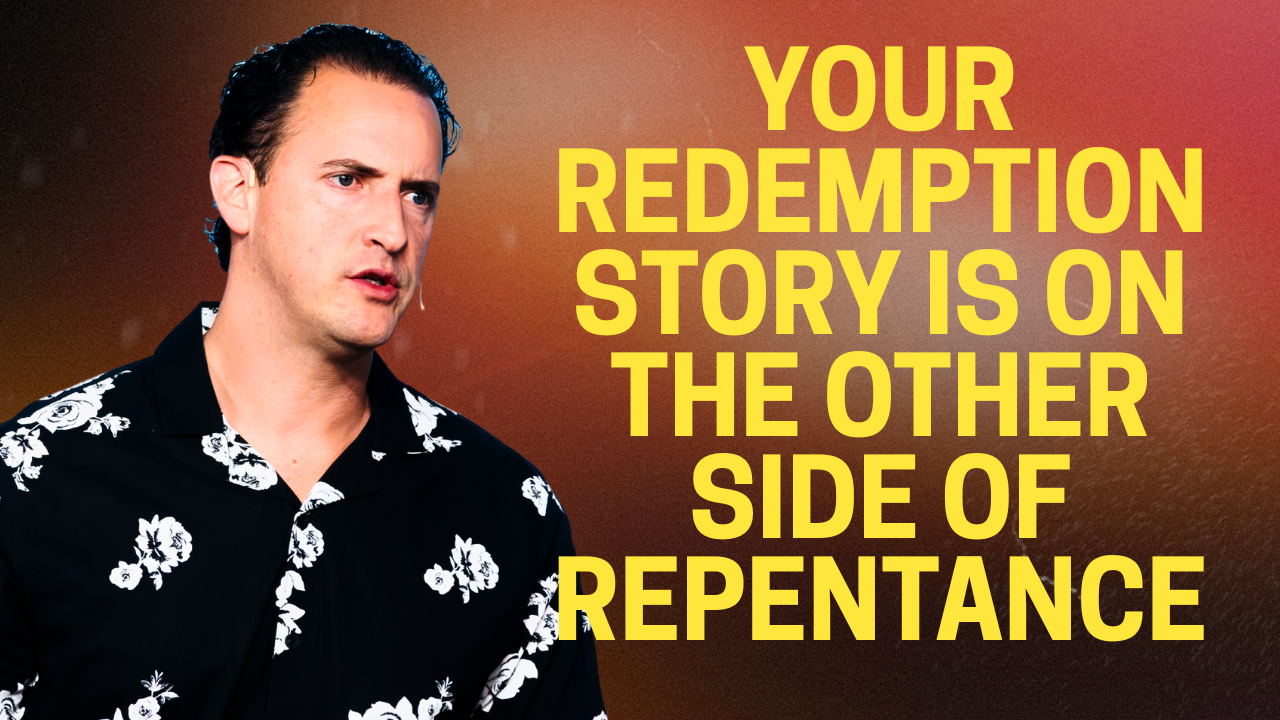
Humility and Repentance: The Beginning of Your Greatest Redemption Story
Pastor Ben Diaz
What if the very mistake you regret could become part of your greatest testimony of God’s redeeming power?
God is a good Redeemer! He doesn’t desire to punish us for our mistakes. His heart is to restore, heal, and redeem. But experiencing that redemption requires something from us: humility and genuine repentance.
Repentance Isn’t Just for Salvation
We often associate repentance with the moment we first receive Jesus as Savior. But repentance is meant to be an ongoing part of our walk with God.
Anytime we recognize that we’ve made a wrong decision, spoken carelessly, or wandered away from God’s wisdom, we have an opportunity to repent, to change our minds and turn in a new direction.
Unfortunately, pride, fear of man, and shame can keep us from taking that step. Rather than acknowledging our mistakes, we pretend everything is fine. We justify our choices, defend our actions, or dig in our heels.
And in doing so, we resist the very grace that could bring restoration.
Proverbs 28:13 tells us:
“He who covers his sins will not prosper, but whoever confesses and forsakes them will have mercy.” (NKJV)
Notice the two actions: confess and forsake.
It’s not enough to acknowledge what went wrong. True repentance means abandoning the wrong path and choosing God’s way instead.
The Progression of Sin
Sin can mean missing the mark, wandering from what is right, or deliberately rebelling against God.
While all sin requires the cleansing power of Jesus’ blood, not every sin carries the same earthly consequences. There is a difference between stumbling into a wrong decision and continually choosing a lifestyle of rebellion.
Consider David and Bathsheba in 2 Samuel 11–12.
David’s failure didn’t begin with murder. It began with a series of wrong choices. He placed himself in a compromising situation, gave in to temptation, and then attempted to cover up his actions. When his efforts failed, his sin escalated to arranging the death of an innocent man.
One wrong decision led to another.
But when the prophet Nathan confronted David, David finally acknowledged his sin before the Lord.
His repentance didn’t erase every earthly consequence, but it opened the door for God’s mercy and restoration.
Our mistakes don’t have to define the rest of our story.
Godly Sorrow Leads to Restoration
The apostle Paul addressed the importance of correction and repentance in 2 Corinthians 7:8–10.
He acknowledged that his previous letter had caused the Corinthian believers sorrow. Yet he rejoiced, not because they were hurting, but because their sorrow led them to repentance.
Paul distinguished between two kinds of sorrow: godly sorrow, which produces repentance and leads to salvation, and worldly sorrow, which produces death.
For many years, shame was used to manipulate, control, and condemn people. As a result, our culture has sometimes swung to the opposite extreme, avoiding any conversation about guilt, remorse, or the seriousness of sin.
But there is a difference between destructive shame and the healthy conviction that awakens our hearts to what needs to change.
Godly sorrow doesn’t leave us trapped in condemnation. It moves us toward repentance, freedom, and restoration.
We should feel genuine remorse when we’ve done wrong, but we were never meant to live there.
Let conviction lead you to repentance, receive God’s forgiveness, and move forward in His grace.
Two Beautiful Pictures of Redemption
In Luke 19, we meet Zacchaeus, a tax collector whose life was transformed by an encounter with Jesus.
Zacchaeus didn’t simply express regret. His change of heart produced action. He committed to giving generously to the poor and restoring what he had taken dishonestly.
His repentance was visible in the decisions he made afterward.
Then, in Luke 15, Jesus tells the story of the prodigal son.
After squandering his inheritance and finding himself in desperate circumstances, the young man finally came to his senses. He recognized where his choices had taken him and made the decision to return home.
And what was his father’s response?
He ran to meet him, embraced him, and celebrated his return!
The father wasn’t waiting with a lecture or a list of punishments. He was ready to restore his son.
What a beautiful picture of our heavenly Father’s heart!
God doesn’t force us to return to Him. He invites us to choose Him, and His heart is always ready to receive us.
Your Redemption Story Isn’t Finished
Perhaps there’s a decision you regret, a relationship that needs healing, or an area of your life where you’ve been resisting God’s correction.
You don’t have to keep defending what God wants to redeem.
It takes courage and faith to humble yourself, acknowledge where you’ve gone wrong, and change direction. But on the other side of genuine repentance is the mercy and grace of a loving Father.
God is not looking for an opportunity to condemn you. He desires to restore you.
This week’s challenge: Ask the Holy Spirit to reveal anything you need to acknowledge, confess, and forsake. Don’t allow pride, fear, or shame to keep you from responding.
Make the decision to turn toward Him, and watch what His supernatural redeeming power can do in your life.
Your greatest redemption story may begin with one humble decision.
[Click here to watch the full message.]