How To Build Kingdom Relationships
Every relationship in our lives isn't meant to carry the same weight. Some are casual, others are seasonal, and a few become deep Kingdom relationships worth intentionally investing in. As Pastor Ben reminded us this Sunday, healthy Kingdom relationships don't happen by accident—they're built on self-control, responsibility, and truth.
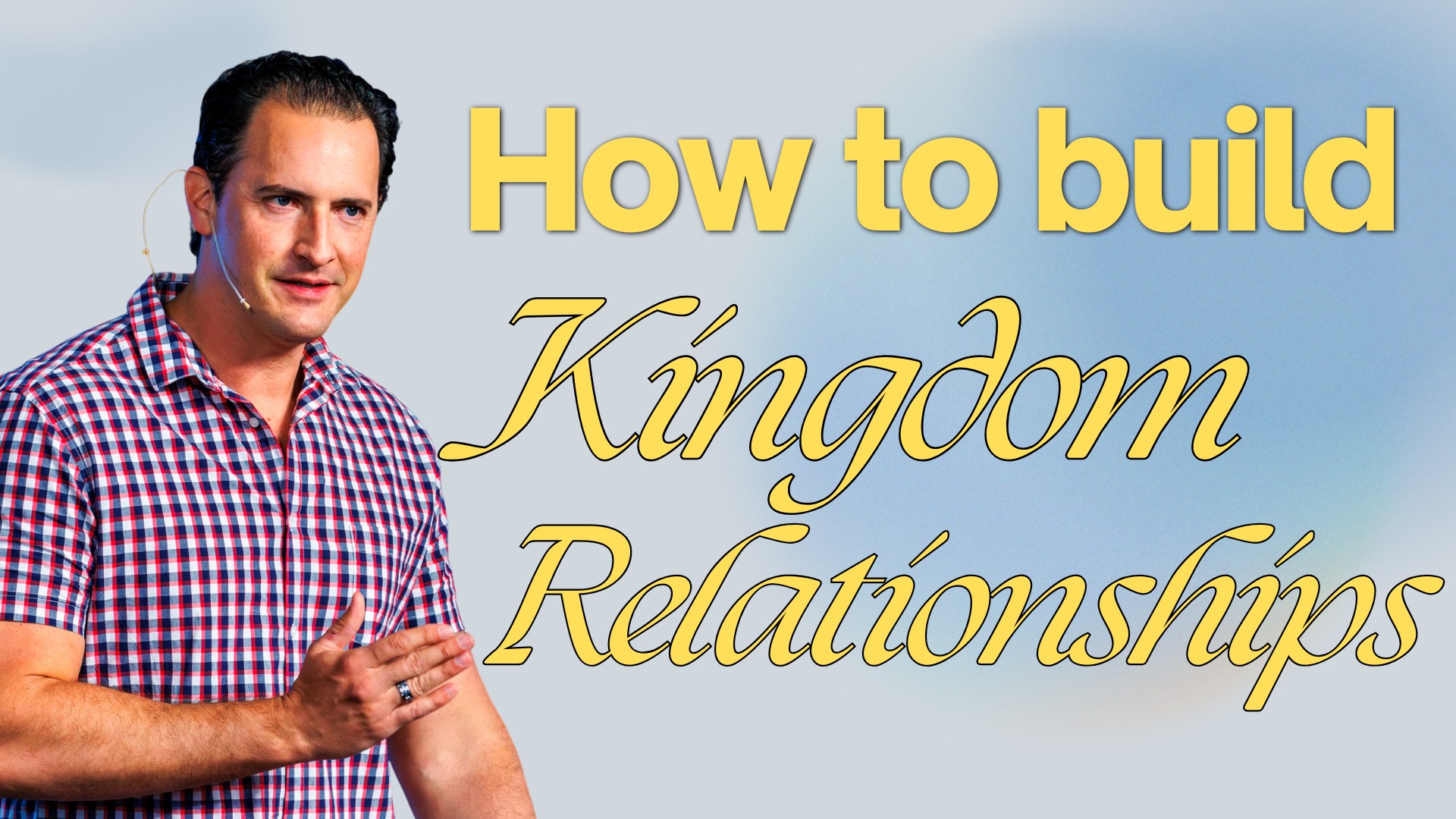
Kingdom Relationships: Self-Control, Responsibility & Truth
Every relationship in our lives isn't meant to carry the same weight. Some are casual, others are seasonal, and a few become deep Kingdom relationships worth intentionally investing in. As Pastor Ben reminded us this Sunday, healthy Kingdom relationships don't happen by accident—they're built on self-control, responsibility, and truth.
Self-Control: The Strength God Has Already Given You
Many people think self-control is something they need to ask God for, but Scripture tells us otherwise.
"For God has not given us a spirit of fear, but of power and of love and of self-control." (2 Timothy 1:7)
Through the Holy Spirit, God has already given us the ability to govern ourselves. We have what it takes to tell ourselves what to do—and then actually do it.
Interestingly, people who struggle to control themselves often try to control everyone else. Others shift the blame for their choices onto those around them. Kingdom people take a different approach. They choose to love, maintain connection, and remain responsible for their own actions regardless of how others respond.
Pastor Ben also shared a simple but powerful principle: every time you say yes to something, you're automatically saying no to something else. The key isn't trying harder to say no. It's having a strong enough yes to God's priorities that everything else naturally falls into place.
Responsibility: Responding Instead of Reacting
Jesus modeled personal responsibility perfectly.
When He cleansed the temple (John 2), He wasn't having an emotional outburst. He wasn't reacting impulsively. He watched what was happening, braided a whip, and then acted intentionally. Everything He did was purposeful and fully under His control.
Kingdom maturity looks the same. We don't allow our emotions to dictate our behavior. Instead, we respond from conviction.
A responsible person says:
"This is what I'm going to do."
They don't wait for others to change first. They don't make excuses, blame people, justify unhealthy behavior, or live defensively. They own their choices because they know who they are in Christ.
When two people live this way, trust naturally grows. They become dependable because each person is taking responsibility for their own part of the relationship.
Truth: Building Trust Through Honest Communication
Truth is one of the strongest pillars of any healthy relationship.
Pastor Ben challenged us with a simple idea: tell people what's happening inside of you so they don't have to guess.
Honest communication creates safety. It removes assumptions, misunderstandings, and unnecessary hurt. When truth is spoken with love, relationships become stronger because trust has room to grow.
Living Like Jesus
Perhaps one of the most moving examples from the message was Jesus Himself.
He knew Judas would betray Him. He knew many of His disciples would abandon Him. Yet He never stopped loving them. He maintained connection without surrendering His convictions.
That's Kingdom strength.
Self-control isn't weakness. Responsibility isn't passivity. Truth isn't harshness.
Together, they reflect the character of Christ and create relationships that flourish.
This Week's Challenge
Choose one relationship where you can intentionally practice these three Kingdom qualities:
- Self-Control: Respond instead of reacting.
- Responsibility: Own your choices without blaming others.
- Truth: Communicate honestly so people don't have to guess what's in your heart.
As we become people who govern ourselves well, we become people whom God can trust with deeper relationships, greater influence, and lasting Kingdom impact.